Green production of levulinic acid
Project launches for sustainable low-cost production of levulinic acid, for the green chemical industry
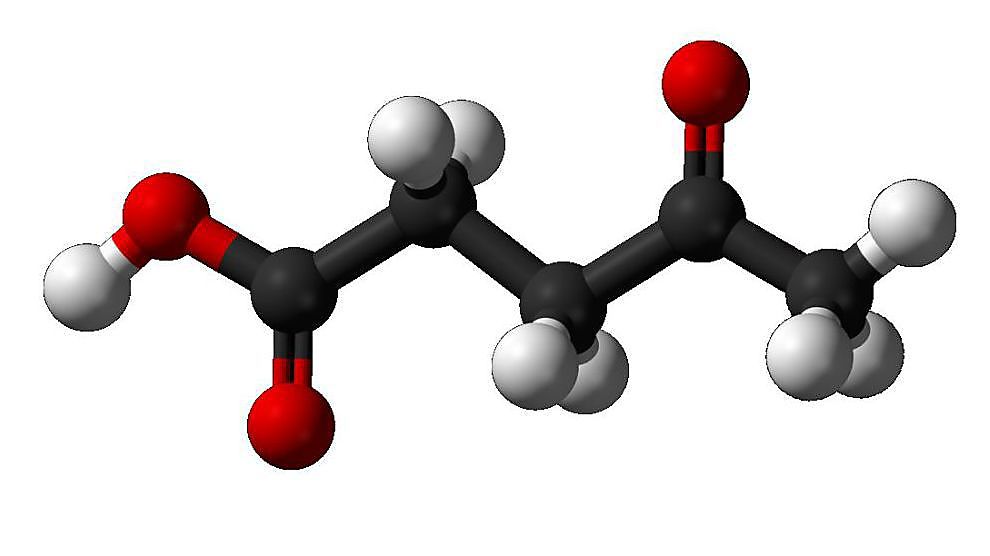
A team of two companies, Bio-on and Sadam Group, has begun working on a project to develop innovative industrial processes, at competitive cost and with low environmental impact, to produce levulinic acid, a natural compound made from biomass and a key element of the sustainable chemical industry of the future. The US government considers levulinic acid to be one of the largest families of industrial derivatives of the future and it is deemed to be one of the 12 most promising bio-intermediates by the National Renewable Energy Laboratory. According to the most recent forecasts and based on various independent research, Bio-on estimates that market demand for levulinic acid will grow 150-200-fold over the next 7-8 years.The project envisages using sugar beet co-products as the raw material. It is a platform chemical product that can be used to produce other chemical substances or to replace the synthetic alternatives. The main end users of levulinic acid are the agricultural, pharmaceutical and cosmetics sectors, but this natural molecule also helps create new ecological fuels, fertilisers and antiparasitic products. It is also used in the biodegradable plastics sector, expanding its field of application, and it is an intermediate element for making high-performance plastics, drugs and many other new-concept 'green' products.
NREL report on 'Top Value Added Chemicals from Biomass'
Press release